Quran Verses About the Sunnah of Prophet Muhammad (peace be upon him)
The Quran repeatedly emphasizes the importance of obeying the Messenger of Allah (peace be upon him), accepting his judgments, following his guidance, and learning from the wisdom he was sent to teach.
Together, these verses show that the Sunnah of the Prophet Muhammad (peace be upon him) is inseparable from the message of Islam in its understanding and practice. This page gathers key Quranic verses that highlight the authority of the Prophet (peace be upon him), the duty to follow him, and the role of his teachings, which are rooted in revelation, in the life of every believer.
وَمَآ أَرۡسَلۡنَٰكَ إِلَّا رَحۡمَةٗ لِّلۡعَٰلَمِينَ ١٠٧
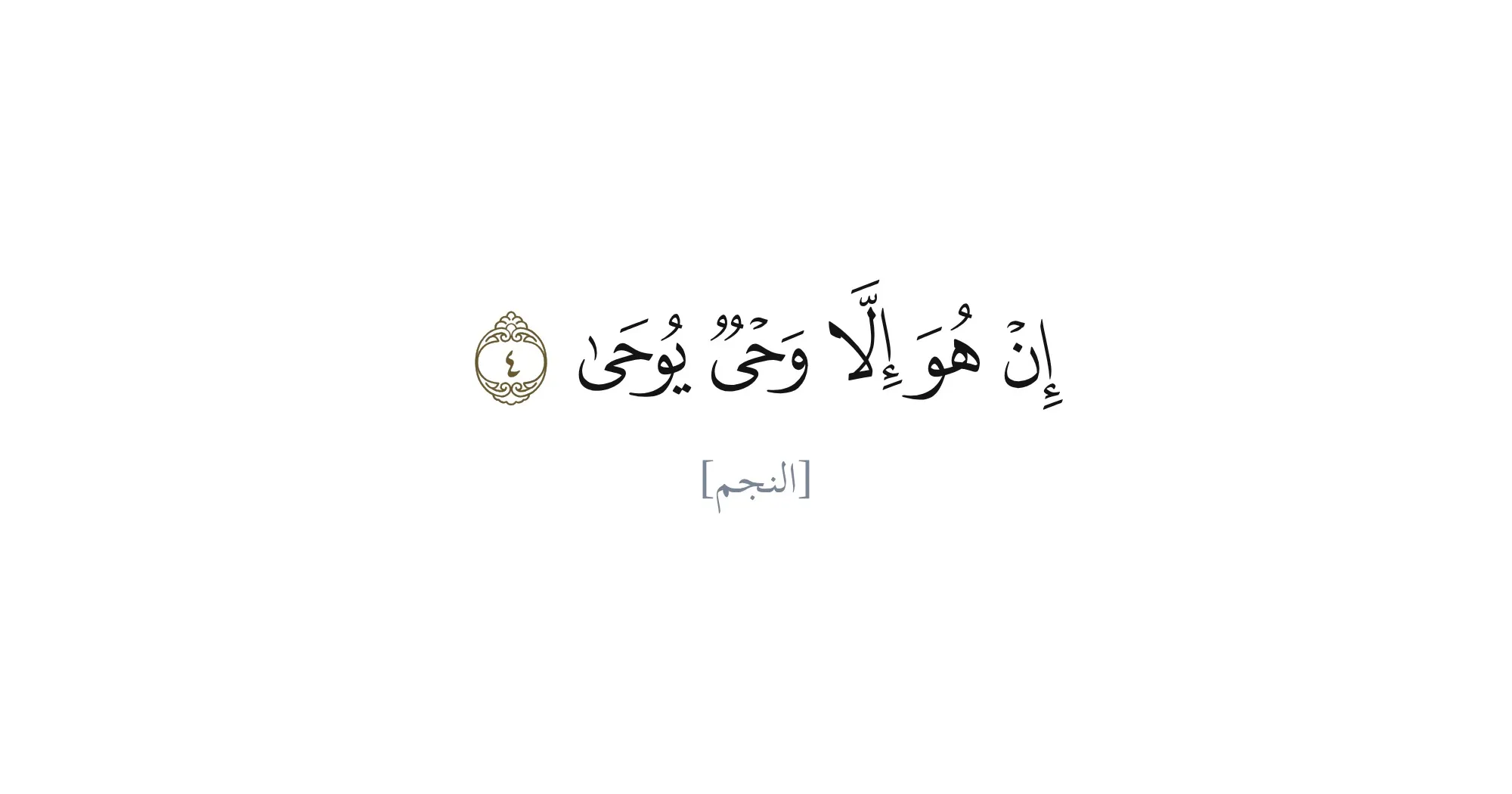
مَا ضَلَّ صَاحِبُكُمۡ وَمَا غَوَىٰ ٢ وَمَا يَنطِقُ عَنِ ٱلۡهَوَىٰٓ ٣ إِنۡ هُوَ إِلَّا وَحۡيٞ يُوحَىٰ ٤
On this page
What Does the Quran Say About the Sunnah?
Obedience to the Messenger Is Obedience to Allah
Accepting the Prophet’s Judgments and Rulings
Following the Messenger as the Path to Guidance
The Book and the Hikmah
The Prophet’s Role in Explaining Revelation
The Prophet’s Authority, Rank, and Etiquette
Reward for Obedience and Warning Against Disobedience
What These Quran Verses Teach About the Sunnah
Related Topics
Obedience to the Messenger is obedience to Allah
These verses show that obedience to the Messenger (peace be upon him) is not presented as optional or secondary, but as a direct Quranic command tied closely to obedience to Allah. They establish that the Prophet Muhammad (peace be upon him) is not only a transmitter of revelation, but also one whose commands in matters of the religion must be followed.
مَّن يُطِعِ ٱلرَّسُولَ فَقَدۡ أَطَاعَ ٱللَّهَۖ وَمَن تَوَلَّىٰ فَمَآ أَرۡسَلۡنَٰكَ عَلَيۡهِمۡ حَفِيظٗا ٨٠
يَٰٓأَيُّهَا ٱلَّذِينَ ءَامَنُوٓاْ أَطِيعُواْ ٱللَّهَ وَأَطِيعُواْ ٱلرَّسُولَ وَأُوْلِي ٱلۡأَمۡرِ مِنكُمۡۖ فَإِن تَنَٰزَعۡتُمۡ فِي شَيۡءٖ فَرُدُّوهُ إِلَى ٱللَّهِ وَٱلرَّسُولِ إِن كُنتُمۡ تُؤۡمِنُونَ بِٱللَّهِ وَٱلۡيَوۡمِ ٱلۡأٓخِرِۚ ذَٰلِكَ خَيۡرٞ وَأَحۡسَنُ تَأۡوِيلًا ٥٩
قُلۡ أَطِيعُواْ ٱللَّهَ وَٱلرَّسُولَۖ فَإِن تَوَلَّوۡاْ فَإِنَّ ٱللَّهَ لَا يُحِبُّ ٱلۡكَٰفِرِينَ ٣٢
وَأَطِيعُواْ ٱللَّهَ وَٱلرَّسُولَ لَعَلَّكُمۡ تُرۡحَمُونَ ١٣٢
يَٰٓأَيُّهَا ٱلَّذِينَ ءَامَنُوٓاْ أَطِيعُواْ ٱللَّهَ وَرَسُولَهُۥ وَلَا تَوَلَّوۡاْ عَنۡهُ وَأَنتُمۡ تَسۡمَعُونَ ٢٠
قُلۡ أَطِيعُواْ ٱللَّهَ وَأَطِيعُواْ ٱلرَّسُولَۖ فَإِن تَوَلَّوۡاْ فَإِنَّمَا عَلَيۡهِ مَا حُمِّلَ وَعَلَيۡكُم مَّا حُمِّلۡتُمۡۖ وَإِن تُطِيعُوهُ تَهۡتَدُواْۚ وَمَا عَلَى ٱلرَّسُولِ إِلَّا ٱلۡبَلَٰغُ ٱلۡمُبِينُ ٥٤
وَأَقِيمُواْ ٱلصَّلَوٰةَ وَءَاتُواْ ٱلزَّكَوٰةَ وَأَطِيعُواْ ٱلرَّسُولَ لَعَلَّكُمۡ تُرۡحَمُونَ ٥٦
۞ يَٰٓأَيُّهَا ٱلَّذِينَ ءَامَنُوٓاْ أَطِيعُواْ ٱللَّهَ وَأَطِيعُواْ ٱلرَّسُولَ وَلَا تُبۡطِلُوٓاْ أَعۡمَٰلَكُمۡ ٣٣
وَأَطِيعُواْ ٱللَّهَ وَأَطِيعُواْ ٱلرَّسُولَ وَٱحۡذَرُواْۚ فَإِن تَوَلَّيۡتُمۡ فَٱعۡلَمُوٓاْ أَنَّمَا عَلَىٰ رَسُولِنَا ٱلۡبَلَٰغُ ٱلۡمُبِينُ ٩٢
لَّيۡسَ عَلَى ٱلۡأَعۡمَىٰ حَرَجٞ وَلَا عَلَى ٱلۡأَعۡرَجِ حَرَجٞ وَلَا عَلَى ٱلۡمَرِيضِ حَرَجٞۗ وَمَن يُطِعِ ٱللَّهَ وَرَسُولَهُۥ يُدۡخِلۡهُ جَنَّٰتٖ تَجۡرِي مِن تَحۡتِهَا ٱلۡأَنۡهَٰرُۖ وَمَن يَتَوَلَّ يُعَذِّبۡهُ عَذَابًا أَلِيمٗا ١٧
وَأَطِيعُواْ ٱللَّهَ وَأَطِيعُواْ ٱلرَّسُولَۚ فَإِن تَوَلَّيۡتُمۡ فَإِنَّمَا عَلَىٰ رَسُولِنَا ٱلۡبَلَٰغُ ٱلۡمُبِينُ ١٢
Accepting the Prophet’s judgments and rulings is part of faith
These verses teach that true faith requires accepting the Prophet Muhammad (peace be upon him) as judge in disputes, with no inward resistance to his decisions. Submission here is both outward and inward, making his revealed and legislative rulings part of sincere belief rather than a matter of personal preference.
فَلَا وَرَبِّكَ لَا يُؤۡمِنُونَ حَتَّىٰ يُحَكِّمُوكَ فِيمَا شَجَرَ بَيۡنَهُمۡ ثُمَّ لَا يَجِدُواْ فِيٓ أَنفُسِهِمۡ حَرَجٗا مِّمَّا قَضَيۡتَ وَيُسَلِّمُواْ تَسۡلِيمٗا ٦٥
وَمَا كَانَ لِمُؤۡمِنٖ وَلَا مُؤۡمِنَةٍ إِذَا قَضَى ٱللَّهُ وَرَسُولُهُۥٓ أَمۡرًا أَن يَكُونَ لَهُمُ ٱلۡخِيَرَةُ مِنۡ أَمۡرِهِمۡۗ وَمَن يَعۡصِ ٱللَّهَ وَرَسُولَهُۥ فَقَدۡ ضَلَّ ضَلَٰلٗا مُّبِينٗا ٣٦
وَإِذَا دُعُوٓاْ إِلَى ٱللَّهِ وَرَسُولِهِۦ لِيَحۡكُمَ بَيۡنَهُمۡ إِذَا فَرِيقٞ مِّنۡهُم مُّعۡرِضُونَ ٤٨ وَإِن يَكُن لَّهُمُ ٱلۡحَقُّ يَأۡتُوٓاْ إِلَيۡهِ مُذۡعِنِينَ ٤٩ أَفِي قُلُوبِهِم مَّرَضٌ أَمِ ٱرۡتَابُوٓاْ أَمۡ يَخَافُونَ أَن يَحِيفَ ٱللَّهُ عَلَيۡهِمۡ وَرَسُولُهُۥۚ بَلۡ أُوْلَٰٓئِكَ هُمُ ٱلظَّٰلِمُونَ ٥٠ إِنَّمَا كَانَ قَوۡلَ ٱلۡمُؤۡمِنِينَ إِذَا دُعُوٓاْ إِلَى ٱللَّهِ وَرَسُولِهِۦ لِيَحۡكُمَ بَيۡنَهُمۡ أَن يَقُولُواْ سَمِعۡنَا وَأَطَعۡنَاۚ وَأُوْلَٰٓئِكَ هُمُ ٱلۡمُفۡلِحُونَ ٥١
وَإِذَا قِيلَ لَهُمۡ تَعَالَوۡاْ إِلَىٰ مَآ أَنزَلَ ٱللَّهُ وَإِلَى ٱلرَّسُولِ رَأَيۡتَ ٱلۡمُنَٰفِقِينَ يَصُدُّونَ عَنكَ صُدُودٗا ٦١
وَمَآ أَرۡسَلۡنَا مِن رَّسُولٍ إِلَّا لِيُطَاعَ بِإِذۡنِ ٱللَّهِۚ وَلَوۡ أَنَّهُمۡ إِذ ظَّلَمُوٓاْ أَنفُسَهُمۡ جَآءُوكَ فَٱسۡتَغۡفَرُواْ ٱللَّهَ وَٱسۡتَغۡفَرَ لَهُمُ ٱلرَّسُولُ لَوَجَدُواْ ٱللَّهَ تَوَّابٗا رَّحِيمٗا ٦٤
وَمَن يُشَاقِقِ ٱلرَّسُولَ مِنۢ بَعۡدِ مَا تَبَيَّنَ لَهُ ٱلۡهُدَىٰ وَيَتَّبِعۡ غَيۡرَ سَبِيلِ ٱلۡمُؤۡمِنِينَ نُوَلِّهِۦ مَا تَوَلَّىٰ وَنُصۡلِهِۦ جَهَنَّمَۖ وَسَآءَتۡ مَصِيرًا ١١٥
مَّآ أَفَآءَ ٱللَّهُ عَلَىٰ رَسُولِهِۦ مِنۡ أَهۡلِ ٱلۡقُرَىٰ فَلِلَّهِ وَلِلرَّسُولِ وَلِذِي ٱلۡقُرۡبَىٰ وَٱلۡيَتَٰمَىٰ وَٱلۡمَسَٰكِينِ وَٱبۡنِ ٱلسَّبِيلِ كَيۡ لَا يَكُونَ دُولَةَۢ بَيۡنَ ٱلۡأَغۡنِيَآءِ مِنكُمۡۚ وَمَآ ءَاتَىٰكُمُ ٱلرَّسُولُ فَخُذُوهُ وَمَا نَهَىٰكُمۡ عَنۡهُ فَٱنتَهُواْۚ وَٱتَّقُواْ ٱللَّهَۖ إِنَّ ٱللَّهَ شَدِيدُ ٱلۡعِقَابِ ٧
Following the Messenger is the path to Allah’s love, life, and guidance
These verses present following the Messenger (peace be upon him) as the path to Allah’s love, forgiveness, right guidance, and spiritual success. The emphasis is not only on legal obedience, but on living by the prophetic way as the route to nearness to Allah.
قُلۡ إِن كُنتُمۡ تُحِبُّونَ ٱللَّهَ فَٱتَّبِعُونِي يُحۡبِبۡكُمُ ٱللَّهُ وَيَغۡفِرۡ لَكُمۡ ذُنُوبَكُمۡۚ وَٱللَّهُ غَفُورٞ رَّحِيمٞ ٣١
يَٰٓأَيُّهَا ٱلَّذِينَ ءَامَنُواْ ٱسۡتَجِيبُواْ لِلَّهِ وَلِلرَّسُولِ إِذَا دَعَاكُمۡ لِمَا يُحۡيِيكُمۡۖ وَٱعۡلَمُوٓاْ أَنَّ ٱللَّهَ يَحُولُ بَيۡنَ ٱلۡمَرۡءِ وَقَلۡبِهِۦ وَأَنَّهُۥٓ إِلَيۡهِ تُحۡشَرُونَ ٢٤
ٱلَّذِينَ يَتَّبِعُونَ ٱلرَّسُولَ ٱلنَّبِيَّ ٱلۡأُمِّيَّ ٱلَّذِي يَجِدُونَهُۥ مَكۡتُوبًا عِندَهُمۡ فِي ٱلتَّوۡرَىٰةِ وَٱلۡإِنجِيلِ يَأۡمُرُهُم بِٱلۡمَعۡرُوفِ وَيَنۡهَىٰهُمۡ عَنِ ٱلۡمُنكَرِ وَيُحِلُّ لَهُمُ ٱلطَّيِّبَٰتِ وَيُحَرِّمُ عَلَيۡهِمُ ٱلۡخَبَٰٓئِثَ وَيَضَعُ عَنۡهُمۡ إِصۡرَهُمۡ وَٱلۡأَغۡلَٰلَ ٱلَّتِي كَانَتۡ عَلَيۡهِمۡۚ فَٱلَّذِينَ ءَامَنُواْ بِهِۦ وَعَزَّرُوهُ وَنَصَرُوهُ وَٱتَّبَعُواْ ٱلنُّورَ ٱلَّذِيٓ أُنزِلَ مَعَهُۥٓ أُوْلَٰٓئِكَ هُمُ ٱلۡمُفۡلِحُونَ ١٥٧ قُلۡ يَٰٓأَيُّهَا ٱلنَّاسُ إِنِّي رَسُولُ ٱللَّهِ إِلَيۡكُمۡ جَمِيعًا ٱلَّذِي لَهُۥ مُلۡكُ ٱلسَّمَٰوَٰتِ وَٱلۡأَرۡضِۖ لَآ إِلَٰهَ إِلَّا هُوَ يُحۡيِۦ وَيُمِيتُۖ فَـَٔامِنُواْ بِٱللَّهِ وَرَسُولِهِ ٱلنَّبِيِّ ٱلۡأُمِّيِّ ٱلَّذِي يُؤۡمِنُ بِٱللَّهِ وَكَلِمَٰتِهِۦ وَٱتَّبِعُوهُ لَعَلَّكُمۡ تَهۡتَدُونَ ١٥٨
فَتَوَكَّلۡ عَلَى ٱللَّهِۖ إِنَّكَ عَلَى ٱلۡحَقِّ ٱلۡمُبِينِ ٧٩
لَّقَدۡ كَانَ لَكُمۡ فِي رَسُولِ ٱللَّهِ أُسۡوَةٌ حَسَنَةٞ لِّمَن كَانَ يَرۡجُواْ ٱللَّهَ وَٱلۡيَوۡمَ ٱلۡأٓخِرَ وَذَكَرَ ٱللَّهَ كَثِيرٗا ٢١
وَمَن يُطِعِ ٱللَّهَ وَٱلرَّسُولَ فَأُوْلَٰٓئِكَ مَعَ ٱلَّذِينَ أَنۡعَمَ ٱللَّهُ عَلَيۡهِم مِّنَ ٱلنَّبِيِّـۧنَ وَٱلصِّدِّيقِينَ وَٱلشُّهَدَآءِ وَٱلصَّٰلِحِينَۚ وَحَسُنَ أُوْلَٰٓئِكَ رَفِيقٗا ٦٩
وَمَن يُطِعِ ٱللَّهَ وَرَسُولَهُۥ وَيَخۡشَ ٱللَّهَ وَيَتَّقۡهِ فَأُوْلَٰٓئِكَ هُمُ ٱلۡفَآئِزُونَ ٥٢
وَٱلۡمُؤۡمِنُونَ وَٱلۡمُؤۡمِنَٰتُ بَعۡضُهُمۡ أَوۡلِيَآءُ بَعۡضٖۚ يَأۡمُرُونَ بِٱلۡمَعۡرُوفِ وَيَنۡهَوۡنَ عَنِ ٱلۡمُنكَرِ وَيُقِيمُونَ ٱلصَّلَوٰةَ وَيُؤۡتُونَ ٱلزَّكَوٰةَ وَيُطِيعُونَ ٱللَّهَ وَرَسُولَهُۥٓۚ أُوْلَٰٓئِكَ سَيَرۡحَمُهُمُ ٱللَّهُۗ إِنَّ ٱللَّهَ عَزِيزٌ حَكِيمٞ ٧١
يُصۡلِحۡ لَكُمۡ أَعۡمَٰلَكُمۡ وَيَغۡفِرۡ لَكُمۡ ذُنُوبَكُمۡۗ وَمَن يُطِعِ ٱللَّهَ وَرَسُولَهُۥ فَقَدۡ فَازَ فَوۡزًا عَظِيمًا ٧١
The Book and the Hikmah: revelation beyond the recited Quran
This group supports the idea that when Allah mentions the Book and the Hikmah, the Hikmah is a distinct form of revealed guidance and not merely another expression for the Quran itself. That makes the prophetic Sunnah part of divinely taught wisdom alongside the Book.
رَبَّنَا وَٱبۡعَثۡ فِيهِمۡ رَسُولٗا مِّنۡهُمۡ يَتۡلُواْ عَلَيۡهِمۡ ءَايَٰتِكَ وَيُعَلِّمُهُمُ ٱلۡكِتَٰبَ وَٱلۡحِكۡمَةَ وَيُزَكِّيهِمۡۖ إِنَّكَ أَنتَ ٱلۡعَزِيزُ ٱلۡحَكِيمُ ١٢٩
كَمَآ أَرۡسَلۡنَا فِيكُمۡ رَسُولٗا مِّنكُمۡ يَتۡلُواْ عَلَيۡكُمۡ ءَايَٰتِنَا وَيُزَكِّيكُمۡ وَيُعَلِّمُكُمُ ٱلۡكِتَٰبَ وَٱلۡحِكۡمَةَ وَيُعَلِّمُكُم مَّا لَمۡ تَكُونُواْ تَعۡلَمُونَ ١٥١
وَإِذَا طَلَّقۡتُمُ ٱلنِّسَآءَ فَبَلَغۡنَ أَجَلَهُنَّ فَأَمۡسِكُوهُنَّ بِمَعۡرُوفٍ أَوۡ سَرِّحُوهُنَّ بِمَعۡرُوفٖۚ وَلَا تُمۡسِكُوهُنَّ ضِرَارٗا لِّتَعۡتَدُواْۚ وَمَن يَفۡعَلۡ ذَٰلِكَ فَقَدۡ ظَلَمَ نَفۡسَهُۥۚ وَلَا تَتَّخِذُوٓاْ ءَايَٰتِ ٱللَّهِ هُزُوٗاۚ وَٱذۡكُرُواْ نِعۡمَتَ ٱللَّهِ عَلَيۡكُمۡ وَمَآ أَنزَلَ عَلَيۡكُم مِّنَ ٱلۡكِتَٰبِ وَٱلۡحِكۡمَةِ يَعِظُكُم بِهِۦۚ وَٱتَّقُواْ ٱللَّهَ وَٱعۡلَمُوٓاْ أَنَّ ٱللَّهَ بِكُلِّ شَيۡءٍ عَلِيمٞ ٢٣١
لَقَدۡ مَنَّ ٱللَّهُ عَلَى ٱلۡمُؤۡمِنِينَ إِذۡ بَعَثَ فِيهِمۡ رَسُولٗا مِّنۡ أَنفُسِهِمۡ يَتۡلُواْ عَلَيۡهِمۡ ءَايَٰتِهِۦ وَيُزَكِّيهِمۡ وَيُعَلِّمُهُمُ ٱلۡكِتَٰبَ وَٱلۡحِكۡمَةَ وَإِن كَانُواْ مِن قَبۡلُ لَفِي ضَلَٰلٖ مُّبِينٍ ١٦٤
وَلَوۡلَا فَضۡلُ ٱللَّهِ عَلَيۡكَ وَرَحۡمَتُهُۥ لَهَمَّت طَّآئِفَةٞ مِّنۡهُمۡ أَن يُضِلُّوكَ وَمَا يُضِلُّونَ إِلَّآ أَنفُسَهُمۡۖ وَمَا يَضُرُّونَكَ مِن شَيۡءٖۚ وَأَنزَلَ ٱللَّهُ عَلَيۡكَ ٱلۡكِتَٰبَ وَٱلۡحِكۡمَةَ وَعَلَّمَكَ مَا لَمۡ تَكُن تَعۡلَمُۚ وَكَانَ فَضۡلُ ٱللَّهِ عَلَيۡكَ عَظِيمٗا ١١٣
وَٱذۡكُرۡنَ مَا يُتۡلَىٰ فِي بُيُوتِكُنَّ مِنۡ ءَايَٰتِ ٱللَّهِ وَٱلۡحِكۡمَةِۚ إِنَّ ٱللَّهَ كَانَ لَطِيفًا خَبِيرًا ٣٤
هُوَ ٱلَّذِي بَعَثَ فِي ٱلۡأُمِّيِّـۧنَ رَسُولٗا مِّنۡهُمۡ يَتۡلُواْ عَلَيۡهِمۡ ءَايَٰتِهِۦ وَيُزَكِّيهِمۡ وَيُعَلِّمُهُمُ ٱلۡكِتَٰبَ وَٱلۡحِكۡمَةَ وَإِن كَانُواْ مِن قَبۡلُ لَفِي ضَلَٰلٖ مُّبِينٖ ٢
The Prophet’s role is to teach, explain, and clarify revelation
These verses show that the Prophet (peace be upon him) was sent not only to recite revelation, but also to teach, purify, and explain it. This gives the Sunnah an explanatory and instructional role, showing how revelation is understood and lived in practice.
بِٱلۡبَيِّنَٰتِ وَٱلزُّبُرِۗ وَأَنزَلۡنَآ إِلَيۡكَ ٱلذِّكۡرَ لِتُبَيِّنَ لِلنَّاسِ مَا نُزِّلَ إِلَيۡهِمۡ وَلَعَلَّهُمۡ يَتَفَكَّرُونَ ٤٤
وَلَوۡلَا فَضۡلُ ٱللَّهِ عَلَيۡكَ وَرَحۡمَتُهُۥ لَهَمَّت طَّآئِفَةٞ مِّنۡهُمۡ أَن يُضِلُّوكَ وَمَا يُضِلُّونَ إِلَّآ أَنفُسَهُمۡۖ وَمَا يَضُرُّونَكَ مِن شَيۡءٖۚ وَأَنزَلَ ٱللَّهُ عَلَيۡكَ ٱلۡكِتَٰبَ وَٱلۡحِكۡمَةَ وَعَلَّمَكَ مَا لَمۡ تَكُن تَعۡلَمُۚ وَكَانَ فَضۡلُ ٱللَّهِ عَلَيۡكَ عَظِيمٗا ١١٣
كَمَآ أَرۡسَلۡنَا فِيكُمۡ رَسُولٗا مِّنكُمۡ يَتۡلُواْ عَلَيۡكُمۡ ءَايَٰتِنَا وَيُزَكِّيكُمۡ وَيُعَلِّمُكُمُ ٱلۡكِتَٰبَ وَٱلۡحِكۡمَةَ وَيُعَلِّمُكُم مَّا لَمۡ تَكُونُواْ تَعۡلَمُونَ ١٥١
لَقَدۡ مَنَّ ٱللَّهُ عَلَى ٱلۡمُؤۡمِنِينَ إِذۡ بَعَثَ فِيهِمۡ رَسُولٗا مِّنۡ أَنفُسِهِمۡ يَتۡلُواْ عَلَيۡهِمۡ ءَايَٰتِهِۦ وَيُزَكِّيهِمۡ وَيُعَلِّمُهُمُ ٱلۡكِتَٰبَ وَٱلۡحِكۡمَةَ وَإِن كَانُواْ مِن قَبۡلُ لَفِي ضَلَٰلٖ مُّبِينٍ ١٦٤
وَٱذۡكُرۡنَ مَا يُتۡلَىٰ فِي بُيُوتِكُنَّ مِنۡ ءَايَٰتِ ٱللَّهِ وَٱلۡحِكۡمَةِۚ إِنَّ ٱللَّهَ كَانَ لَطِيفًا خَبِيرًا ٣٤
Proper etiquette toward the Prophet indicates his authority and rank
The required etiquette toward the Prophet (peace be upon him) reflects the seriousness of his position and the gravity of his authority. If even manner of speech and conduct around him are regulated, then neglecting or opposing his commands is even more serious.
إِنَّمَا ٱلۡمُؤۡمِنُونَ ٱلَّذِينَ ءَامَنُواْ بِٱللَّهِ وَرَسُولِهِۦ وَإِذَا كَانُواْ مَعَهُۥ عَلَىٰٓ أَمۡرٖ جَامِعٖ لَّمۡ يَذۡهَبُواْ حَتَّىٰ يَسۡتَـٔۡذِنُوهُۚ إِنَّ ٱلَّذِينَ يَسۡتَـٔۡذِنُونَكَ أُوْلَٰٓئِكَ ٱلَّذِينَ يُؤۡمِنُونَ بِٱللَّهِ وَرَسُولِهِۦۚ فَإِذَا ٱسۡتَـٔۡذَنُوكَ لِبَعۡضِ شَأۡنِهِمۡ فَأۡذَن لِّمَن شِئۡتَ مِنۡهُمۡ وَٱسۡتَغۡفِرۡ لَهُمُ ٱللَّهَۚ إِنَّ ٱللَّهَ غَفُورٞ رَّحِيمٞ ٦٢ لَّا تَجۡعَلُواْ دُعَآءَ ٱلرَّسُولِ بَيۡنَكُمۡ كَدُعَآءِ بَعۡضِكُم بَعۡضٗاۚ قَدۡ يَعۡلَمُ ٱللَّهُ ٱلَّذِينَ يَتَسَلَّلُونَ مِنكُمۡ لِوَاذٗاۚ فَلۡيَحۡذَرِ ٱلَّذِينَ يُخَالِفُونَ عَنۡ أَمۡرِهِۦٓ أَن تُصِيبَهُمۡ فِتۡنَةٌ أَوۡ يُصِيبَهُمۡ عَذَابٌ أَلِيمٌ ٦٣
يَٰٓأَيُّهَا ٱلَّذِينَ ءَامَنُواْ لَا تُقَدِّمُواْ بَيۡنَ يَدَيِ ٱللَّهِ وَرَسُولِهِۦۖ وَٱتَّقُواْ ٱللَّهَۚ إِنَّ ٱللَّهَ سَمِيعٌ عَلِيمٞ ١ يَٰٓأَيُّهَا ٱلَّذِينَ ءَامَنُواْ لَا تَرۡفَعُوٓاْ أَصۡوَٰتَكُمۡ فَوۡقَ صَوۡتِ ٱلنَّبِيِّ وَلَا تَجۡهَرُواْ لَهُۥ بِٱلۡقَوۡلِ كَجَهۡرِ بَعۡضِكُمۡ لِبَعۡضٍ أَن تَحۡبَطَ أَعۡمَٰلُكُمۡ وَأَنتُمۡ لَا تَشۡعُرُونَ ٢
إِنَّ ٱلَّذِينَ يُبَايِعُونَكَ إِنَّمَا يُبَايِعُونَ ٱللَّهَ يَدُ ٱللَّهِ فَوۡقَ أَيۡدِيهِمۡۚ فَمَن نَّكَثَ فَإِنَّمَا يَنكُثُ عَلَىٰ نَفۡسِهِۦۖ وَمَنۡ أَوۡفَىٰ بِمَا عَٰهَدَ عَلَيۡهُ ٱللَّهَ فَسَيُؤۡتِيهِ أَجۡرًا عَظِيمٗا ١٠
يَٰٓأَيُّهَا ٱلَّذِينَ ءَامَنُوٓاْ إِذَا تَنَٰجَيۡتُمۡ فَلَا تَتَنَٰجَوۡاْ بِٱلۡإِثۡمِ وَٱلۡعُدۡوَٰنِ وَمَعۡصِيَتِ ٱلرَّسُولِ وَتَنَٰجَوۡاْ بِٱلۡبِرِّ وَٱلتَّقۡوَىٰۖ وَٱتَّقُواْ ٱللَّهَ ٱلَّذِيٓ إِلَيۡهِ تُحۡشَرُونَ ٩
The Prophet is upon divinely guided truth; his path is straight
These verses indicate that the Prophet (peace be upon him) was guided by Allah in a way that goes beyond merely reciting the Quran. His path is therefore presented as divinely directed guidance, not personal opinion, which is why his Sunnah is a binding source of guidance for how the religion is understood and practiced.
لَّقَدۡ كَانَ لَكُمۡ فِي رَسُولِ ٱللَّهِ أُسۡوَةٌ حَسَنَةٞ لِّمَن كَانَ يَرۡجُواْ ٱللَّهَ وَٱلۡيَوۡمَ ٱلۡأٓخِرَ وَذَكَرَ ٱللَّهَ كَثِيرٗا ٢١
وَكَذَٰلِكَ أَوۡحَيۡنَآ إِلَيۡكَ رُوحٗا مِّنۡ أَمۡرِنَاۚ مَا كُنتَ تَدۡرِي مَا ٱلۡكِتَٰبُ وَلَا ٱلۡإِيمَٰنُ وَلَٰكِن جَعَلۡنَٰهُ نُورٗا نَّهۡدِي بِهِۦ مَن نَّشَآءُ مِنۡ عِبَادِنَاۚ وَإِنَّكَ لَتَهۡدِيٓ إِلَىٰ صِرَٰطٖ مُّسۡتَقِيمٖ ٥٢ صِرَٰطِ ٱللَّهِ ٱلَّذِي لَهُۥ مَا فِي ٱلسَّمَٰوَٰتِ وَمَا فِي ٱلۡأَرۡضِۗ أَلَآ إِلَى ٱللَّهِ تَصِيرُ ٱلۡأُمُورُ ٥٣
ٱلَّذِينَ يَتَّبِعُونَ ٱلرَّسُولَ ٱلنَّبِيَّ ٱلۡأُمِّيَّ ٱلَّذِي يَجِدُونَهُۥ مَكۡتُوبًا عِندَهُمۡ فِي ٱلتَّوۡرَىٰةِ وَٱلۡإِنجِيلِ يَأۡمُرُهُم بِٱلۡمَعۡرُوفِ وَيَنۡهَىٰهُمۡ عَنِ ٱلۡمُنكَرِ وَيُحِلُّ لَهُمُ ٱلطَّيِّبَٰتِ وَيُحَرِّمُ عَلَيۡهِمُ ٱلۡخَبَٰٓئِثَ وَيَضَعُ عَنۡهُمۡ إِصۡرَهُمۡ وَٱلۡأَغۡلَٰلَ ٱلَّتِي كَانَتۡ عَلَيۡهِمۡۚ فَٱلَّذِينَ ءَامَنُواْ بِهِۦ وَعَزَّرُوهُ وَنَصَرُوهُ وَٱتَّبَعُواْ ٱلنُّورَ ٱلَّذِيٓ أُنزِلَ مَعَهُۥٓ أُوْلَٰٓئِكَ هُمُ ٱلۡمُفۡلِحُونَ ١٥٧ قُلۡ يَٰٓأَيُّهَا ٱلنَّاسُ إِنِّي رَسُولُ ٱللَّهِ إِلَيۡكُمۡ جَمِيعًا ٱلَّذِي لَهُۥ مُلۡكُ ٱلسَّمَٰوَٰتِ وَٱلۡأَرۡضِۖ لَآ إِلَٰهَ إِلَّا هُوَ يُحۡيِۦ وَيُمِيتُۖ فَـَٔامِنُواْ بِٱللَّهِ وَرَسُولِهِ ٱلنَّبِيِّ ٱلۡأُمِّيِّ ٱلَّذِي يُؤۡمِنُ بِٱللَّهِ وَكَلِمَٰتِهِۦ وَٱتَّبِعُوهُ لَعَلَّكُمۡ تَهۡتَدُونَ ١٥٨
إِنَّكَ لَمِنَ ٱلۡمُرۡسَلِينَ ٣ عَلَىٰ صِرَٰطٖ مُّسۡتَقِيمٖ ٤
Reward for obedience and punishment for disobedience
This group links obedience to Allah and His Messenger (peace be upon him) with mercy, success, and salvation, while disobedience is connected to punishment, regret, and loss. The overall message is that obedience to the Messenger (peace be upon him) is a matter of ultimate religious consequence, not just courtesy or devotion.
تِلۡكَ حُدُودُ ٱللَّهِۚ وَمَن يُطِعِ ٱللَّهَ وَرَسُولَهُۥ يُدۡخِلۡهُ جَنَّٰتٖ تَجۡرِي مِن تَحۡتِهَا ٱلۡأَنۡهَٰرُ خَٰلِدِينَ فِيهَاۚ وَذَٰلِكَ ٱلۡفَوۡزُ ٱلۡعَظِيمُ ١٣ وَمَن يَعۡصِ ٱللَّهَ وَرَسُولَهُۥ وَيَتَعَدَّ حُدُودَهُۥ يُدۡخِلۡهُ نَارًا خَٰلِدٗا فِيهَا وَلَهُۥ عَذَابٞ مُّهِينٞ ١٤
يَوۡمَ تُقَلَّبُ وُجُوهُهُمۡ فِي ٱلنَّارِ يَقُولُونَ يَٰلَيۡتَنَآ أَطَعۡنَا ٱللَّهَ وَأَطَعۡنَا ٱلرَّسُولَا۠ ٦٦
يَوۡمَئِذٖ يَوَدُّ ٱلَّذِينَ كَفَرُواْ وَعَصَوُاْ ٱلرَّسُولَ لَوۡ تُسَوَّىٰ بِهِمُ ٱلۡأَرۡضُ وَلَا يَكۡتُمُونَ ٱللَّهَ حَدِيثٗا ٤٢
إِذۡ يُوحِي رَبُّكَ إِلَى ٱلۡمَلَٰٓئِكَةِ أَنِّي مَعَكُمۡ فَثَبِّتُواْ ٱلَّذِينَ ءَامَنُواْۚ سَأُلۡقِي فِي قُلُوبِ ٱلَّذِينَ كَفَرُواْ ٱلرُّعۡبَ فَٱضۡرِبُواْ فَوۡقَ ٱلۡأَعۡنَاقِ وَٱضۡرِبُواْ مِنۡهُمۡ كُلَّ بَنَانٖ ١٢ ذَٰلِكَ بِأَنَّهُمۡ شَآقُّواْ ٱللَّهَ وَرَسُولَهُۥۚ وَمَن يُشَاقِقِ ٱللَّهَ وَرَسُولَهُۥ فَإِنَّ ٱللَّهَ شَدِيدُ ٱلۡعِقَابِ ١٣
إِنَّ ٱلَّذِينَ يُحَآدُّونَ ٱللَّهَ وَرَسُولَهُۥ كُبِتُواْ كَمَا كُبِتَ ٱلَّذِينَ مِن قَبۡلِهِمۡۚ وَقَدۡ أَنزَلۡنَآ ءَايَٰتِۭ بَيِّنَٰتٖۚ وَلِلۡكَٰفِرِينَ عَذَابٞ مُّهِينٞ ٥
إِلَّا بَلَٰغٗا مِّنَ ٱللَّهِ وَرِسَٰلَٰتِهِۦۚ وَمَن يَعۡصِ ٱللَّهَ وَرَسُولَهُۥ فَإِنَّ لَهُۥ نَارَ جَهَنَّمَ خَٰلِدِينَ فِيهَآ أَبَدًا ٢٣
The authority and importance of the sunnah is established without question. The matter is clear and bright, like a shining light. By the grace and mercy of Allah, Allah has provided Muslims with two perfect and sufficient guides: the Quran and the sunnah of the Prophet Muhammad (peace be upon him). The Muslim just has to believe completely in them and desire to apply them to the best of his ability. If he does so, Allah willing, he can look forward to Allah’s forgiveness, mercy and pleasure. If a person refuses that, then he is only sending himself to his own destruction. The Messenger of Allah (peace be upon him) said,
قد تركتكم على البيضاء ليلها كنهارها لا يزيغ عنها بعدي إلا هالك
“I have left you upon a very clear, serious matter, whose night is like its day. No one strays from it after me except a destroyed person.”
Narrated by Abu Dawud (4607), Al-Tirmidhi (2676), Ibn Majah (42), and Ahmad (17144)
Frequently Asked Questions
What does the Quran say about obeying the Prophet Muhammad?
The Quran makes obedience to the Messenger of Allah (peace be upon him) a core part of faith and links it directly to obedience to Allah. It teaches that believers are to follow the Prophet (peace be upon him), accept his decisions, and respond to his guidance with sincerity and submission.
Does the Quran mention the Sunnah?
While the Quran does not use the term “Sunnah” in the same technical way later Islamic scholarship does, it clearly establishes the authority of the Prophet’s teachings, judgments, and example as guidance rooted in revelation. The verses on this page show that following the Messenger (peace be upon him) is part of following divine guidance.
What is meant by “the Book and the Hikmah”?
Many scholars understand “the Book and the Hikmah” to refer to the Quran and the divinely given wisdom taught by the Prophet (peace be upon him). These verses show that the Prophet (peace be upon him) was sent to convey revelation and to teach and clarify it.
Why is following the Messenger part of faith?
The Quran connects true faith with obedience to Allah and His Messenger (peace be upon him). To follow the Prophet (peace be upon him) is to follow the guidance Allah sent through him in belief, worship, character, and daily life.
Did the Prophet only deliver the Quran, or did he also explain it?
The Quran presents the Prophet (peace be upon him) as one who recites revelation, teaches the Book, teaches wisdom, purifies the believers, and explains what has been sent down. This shows that his role (peace be upon him) included both delivering and clarifying divine guidance.
Why does the Quran emphasize respect and etiquette toward the Prophet?
The Quran commands believers to honor the Prophet (peace be upon him), speak to him with proper manners, and not put themselves ahead of him. These verses reflect his unique rank and reinforce the seriousness of following his guidance.